The month of March is a tease. We feel the first warm rays of sunshine on our skin and all of a sudden the oppressive greyness of late winter is a long lost memory. I’m out in the garden, my woollen jumper abandoned, poking about between the standing dead, searching for the tips of tulips and other signs of what’s to come. I pop inside to make a tea, but within the three minutes it’s taken for the kettle to boil, the clouds have returned, along with a wind so chilled I’m reaching for my thermals. My heart is broken. I am pining for Spring.
That is why the Spring garden is so important. While the weather toys with us, the piercing blue heads of muscari erupt, looking like jaunty little gnome’s hats, and the sweetest yellow of primroses glow amongst the leaf little no matter how dark the day. A Spring garden can be the most elegant and serene space, an example of restraint and subtlety. A far cry from the show of summer, the Spring garden is quiet and asks us to look more closely.
My favourite of all springtime treasures is Primula veris, the humble but exquisite Cowslip. Most unfortunately named for its habit of growing in cow pastures, and less widely known but more romantically referred to as the Key Flower, or Bunch of Keys. It is a British native wildflower and something about it takes me back in time and I find its appearance inexplicably grounding. While the Cowslip prefers nutrient poor, free draining meadows and grasslands, its cousin, Primula vulgaris can be found sheltered beneath hedgerows and under cover of dappled woodland. And where the two meet, they happily cross-pollinate to form the natural hybrid, the False Oxlip or Primula × polyantha or P. veris x vulgaris. Preferring to settle half way between its divided parents, on the edge, where the woodland and grassland meet.
Cerney Garden, near Cirencester, is local to me and a beautiful place to visit this time of year for its abundant displays of hellebores. The dark moody flowers of hellebore, pathetic fallacy for this mercurial season if ever I saw it. Planted en masse, swathes of nodding heads, in shades of deep wine to vintage rose create a luxurious carpet. Close to the house, as you make your way down to the avenue, is a raised border, allowing you to peek into the cupped faces of their flowers with ease. They are an essential source of early nectar, as are all of these early Spring flowers and you’ll see the first Queen Bumble bees filling up on nectar and dusting themselves in pollen.
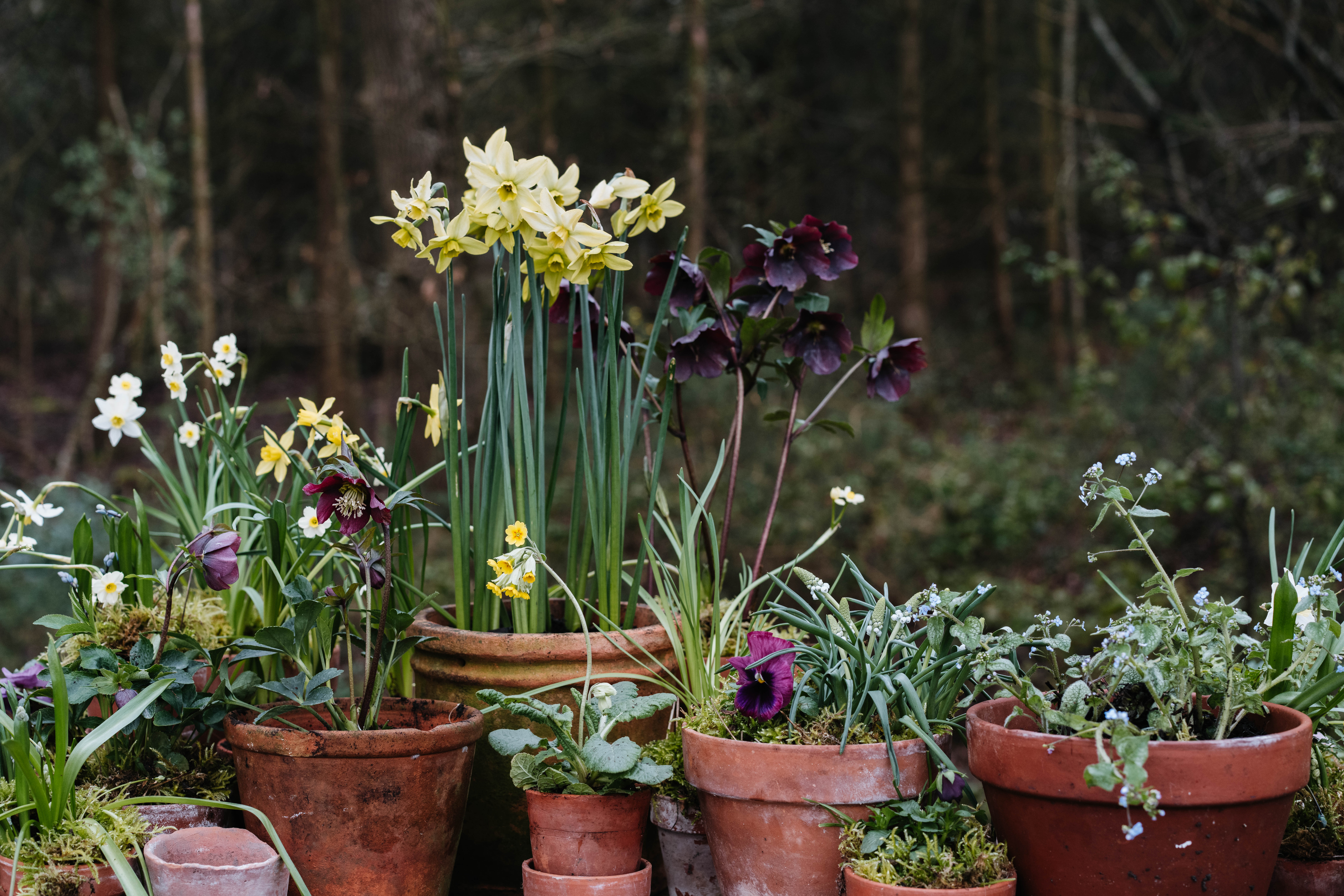
Narcissi are a stalwart of spring planting and are prized for their resilience and ability to naturalise. There are some beautiful varieties available and ‘Minnow’ is one I couldn’t be without. Dainty cream petals surround a small pale yellow cup, with each dwarf stem carrying up to five heads. They are happy in full sun or partial shade and look stunning naturalising in grass beneath the bows of deciduous trees, and their miniature size also make them perfect for pots. A table display of mixed bulbs is a huge comfort when Springs seems to drag its heels. Another variety we’ve been using at Soft Line is ‘Pacific Hunter’. If you’re looking for something very early, if the winter has been mild, (as they increasingly appear to be) this variety may even put in an appearance in January. It opens up an unusual soft green shade, becoming pale yellow and then eventually bleaching to white as it ages. It’s very striking in a grass border, its erect stems holding three to four heads each.
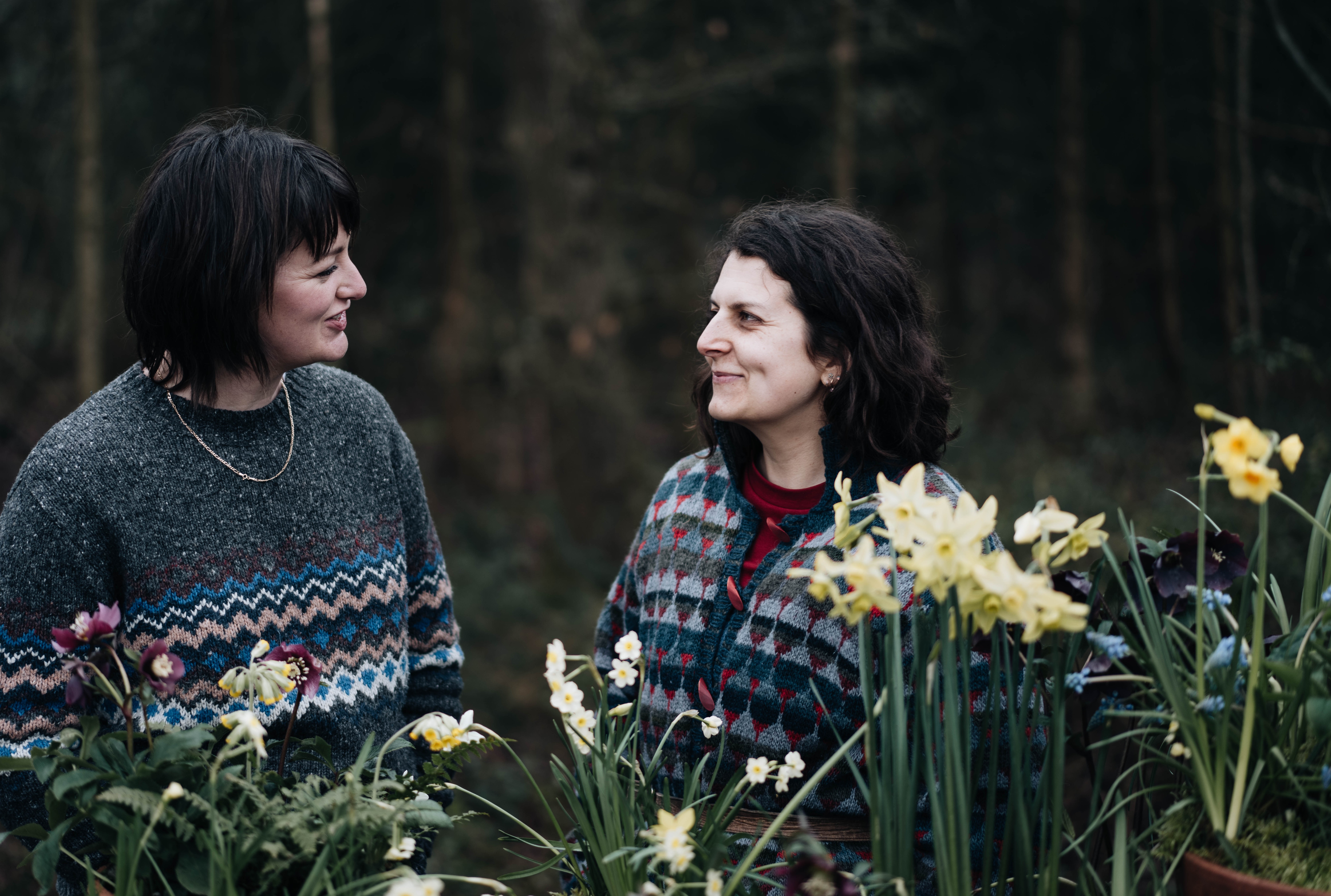
Last weekend Molly and I potted up a selection of spring flowers, loaded up the cars and made our way to a local woodland. We wanted an opportunity to experiment with planting combinations and explore their colour and form against a wild background. The images we took are a reflection of the way in which we work, starting with play, responding to seasonality and taking inspiration from place.
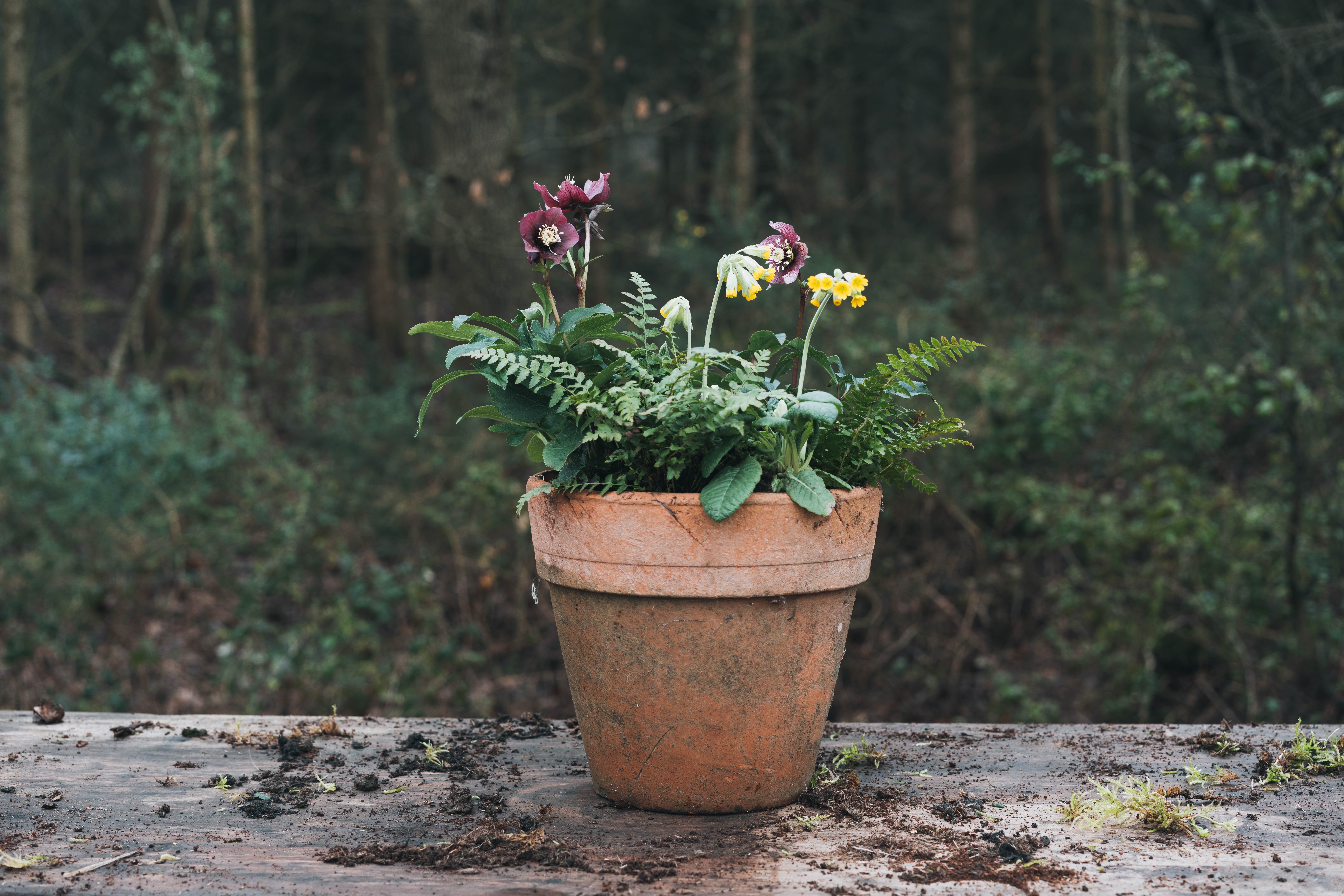
The sky was thick with clouds, and a mist hung over the fields beyond the woodland all day, but despite the lack of sun, our collection of blooms appeared luminescent. March is certainly fickle, but regardless of the weather there are gems to be sought out that remind us that the earth is far from desolate, but stirring with life and vibrancy, and instead of pining for spring, we start to enjoy its slow but sure awakening.